
The Tata Punch EV battery capacity gets a proper upgrade in 2026, and it changes the ownership math quite significantly. If you’re comparing variants, planning charging at home, or wondering what happens when the warranty runs out, this article covers all of it—with real numbers, not brochure claims.
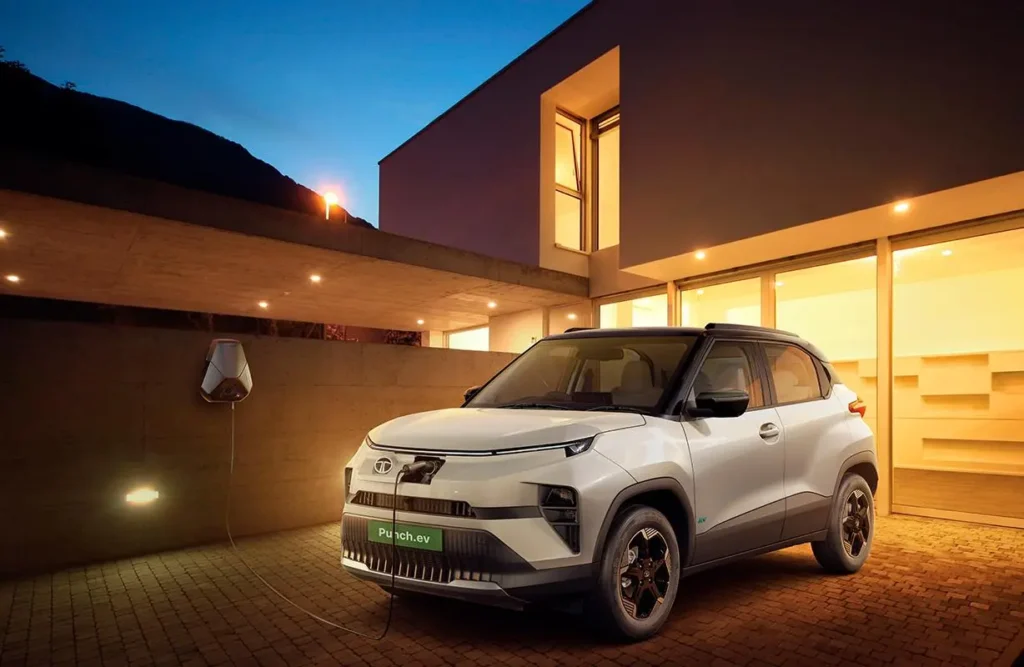
Table of Contents
Two Battery Packs, Two Very Different Cars
The 2026 Punch EV facelift, launched in February 2026, is available with two battery options: 30 kWh (Medium Range) and 40 kWh (Long Range). These replace the older 25 kWh and 35 kWh packs from the 2024 model.
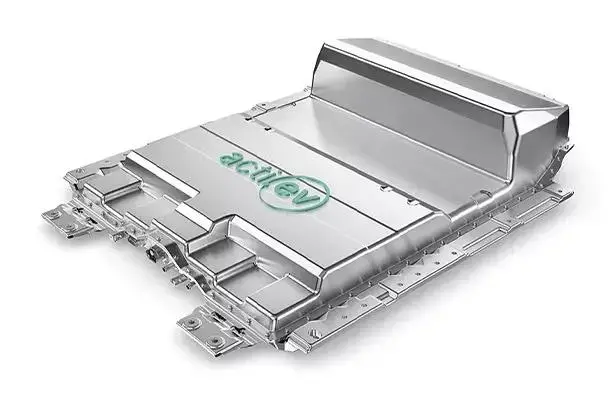
The battery chemistry is LFP (lithium iron phosphate) in both cases, but the 40 kWh pack switched from cylindrical to prismatic cells. Prismatic cells pack closer together, so Tata fit a larger battery without changing the physical footprint of the car. That’s why the Tata Punch EV battery size stayed similar externally even as capacity grew.
The 30 kWh pairs with an 88 hp motor producing 154 Nm. The 40 kWh gets a more powerful 129 hp motor with the same 154 Nm. Both drive the front wheels.
ARAI-certified range: 365 km (30 kWh) and 468 km (40 kWh). Real-world C75 range from Tata’s own published data: around 355 km for the 40 kWh variant.
Tata Punch EV Battery Capacity vs Range: The Full Picture
| Battery Pack | ARAI Range | C75 / Real Range | Motor Output | Variants Available | Ex-Showroom Price |
|---|---|---|---|---|---|
| 30 kWh | 365 km | ~265–270 km | 88 hp | Smart, Smart+ | Rs 9.69 – Rs 10.29 lakh |
| 40 kWh | 468 km | ~335–355 km | 129 hp | Smart+, Adventure, Empowered, Empowered+ S | Rs 10.89 – Rs 12.59 lakh |
.
Tata Punch EV Battery Charging Time: What to Expect at Home and at Public Stations
This is the question most buyers ask second, right after range.
Using a 3.3 kW AC portable charger (included as standard), the 30 kWh battery takes around 9–10 hours for a 10–100% charge. The 40 kWh takes about 13.5 hours. Realistically, overnight charging.
With a 7.2 kW AC wall box charger (optional installation at home), the Tata Punch EV battery charging time drops significantly. The 30 kWh charges in 4.5 hours; the 40 kWh in 5.3 hours. Worth installing if you drive more than 60–70 km daily.
On a 65 kW DC fast charger, both packs charge from 20% to 80% in 26 minutes. Tata also claims a 135 km real-world range top-up in just 15 minutes for the 40 kWh and 110 km in 15 minutes for the 30 kWh.
One important note: the Battery Management System (BMS) slows the charge rate above 90% to protect cell health. You’ll see the last 10–15% fill up slower than the first 80%. This is by design, not a fault.
Tata Punch EV Battery Charging Cost: Running Numbers for Indian Buyers
Home electricity in India runs between Rs 6 and Rs 10 per unit (kWh) depending on your state and consumption slab.
At Rs 8 per unit — a reasonable mid-range figure for most cities — a full charge on the 40 kWh battery costs about Rs 320. That’s roughly Rs 1.14 per km based on the 40 kWh’s real-world efficiency of about 7 km/kWh.
Compare that with a petrol car doing 14 km/litre at Rs 105/litre—that’s Rs 7.50 per km. The Punch EV costs approximately 85% less to run per kilometer at home charging rates.
Monthly estimate for someone covering 1,500 km: around Rs 1,700 in electricity versus roughly Rs 11,250 in petrol. That’s a saving of nearly Rs 9,500 per month, or close to Rs 1.14 lakh per year.
Public DC fast charging costs more—typically Rs 16–25 per unit at commercial stations. If you charge exclusively at public chargers, the per-km cost rises to around Rs 2.5–3 per km. Still cheaper than petrol, but the home charging advantage matters if you have it.
H2: Tata Punch EV Battery Life Warranty — What You’re Actually Covered For
This is where the 2026 update makes a real difference.
The 40 kWh battery carries a lifetime, unlimited-kilometer warranty for the first private owner. Tata describes this as an industry-first offer, and it removes the biggest long-term anxiety EV buyers carry about battery degradation costs.
The 30 kWh battery gets an 8-year / 160,000 km warranty, whichever comes first. That’s still solid coverage for most urban buyers.
The standard vehicle warranty is 3 years or 125,000 km.
What does the battery warranty actually cover? Manufacturing defects, malfunction, premature cell failure, significant capacity drop beyond normal degradation. What it doesn’t cover: damage from accidents, tampering, unofficial modifications, deliberate deep discharging below recommended levels, or bypassing the BMS.
So if your battery fails due to a defect in year 6, Tata replaces it at no cost. If you drove it into a flood or modified the charging system, that’s a different story.
The Tata Punch EV battery life under normal conditions—daily commutes, regular charging, and Indian weather—is expected to retain around 80–85% capacity after 8 years based on LFP chemistry behavior. LFP batteries degrade slower than NMC (Nickel Manganese Cobalt) equivalents used in some competitors.
Tata Punch EV Battery Price: What Replacement Costs Outside Warranty
Nobody likes thinking about this. But it’s a real number you should know before buying.
The old 25 kWh battery (2024 model) replacement cost was estimated at Rs 3–4 lakh. The 35 kWh was estimated at Rs 4.25–5.25 lakh, including 18% GST and labor. At India’s current battery cost of approximately Rs 20,000 per kWh (as of 2024–25 data from service center pricing), the Tata Punch EV battery price for a 30 kWh unit would work out to roughly Rs 4–5 lakh out of warranty. The 40 kWh replacement could sit around Rs 5.5–6.5 lakh.
However, the lifetime warranty on the 40 kWh makes this largely theoretical for the first owner. And battery costs globally are falling — Benchmark Minerals intelligence pegs international battery pack costs at $78/kWh as of late 2024, which could push Indian replacement costs lower in the coming years.
Trade-in of your old battery pack at Tata service centers reduces replacement costs by roughly 20%, according to industry estimates.
If you’re buying the 40 kWh model new, the lifetime warranty effectively insures you against this cost for the entire time you own the car. That’s worth factoring into your variant decision.
ALSO READ: Can We Use The Tata Punch EV as a Taxi? Real Running Cost, Range & Profit Explained
ALSO READ: Tata Punch Car Parking Size in Feet: Will It Fit Your Garage in 2026?
ALSO READ: Tata Punch EV Charging Time: Home Charger vs Fast Charger
ALSO READ: Tata Punch EV Cost Per Km: A Real-World Ownership Guide from an EV Expert
ALSO READ: Tata Punch EV Safety Features And Build Quality Explained
Battery-as-a-Service: A Different Way to Own the Battery
Tata introduced a BaaS (Battery-as-a-Service) model with the 2026 launch. Under this scheme, you buy the car without the battery for Rs 6.49 lakh (ex-showroom) and pay Rs 2.6 per km as a battery rental charge.
It lowers the entry price significantly but adds a per-kilometer cost. At Rs 2.6/km for the battery alone, someone doing 15,000 km/year pays Rs 39,000 annually just for battery rental—that’s Rs 3.25 lakh over 8 years, more than the vehicle savings in many cases.
BaaS makes sense for low-mileage city buyers or those uncertain about long-term EV ownership. For regular drivers covering 40+ km daily, full ownership at Rs 9.69 lakh upward likely works out cheaper over time.
Tata Punch EV Battery Capacity: How It Compares in Its Segment
The Citroën eC3—the Punch EV’s closest direct competitor—has a 29.2 kWh battery and no DC fast charging option. The Tata Tiago EV tops out at 24 kWh with a maximum 50 kW DC support.
The Punch EV’s 40 kWh with 65 kW DC fast charging is in a different league for its price band. Getting 135 km of range in 15 minutes from a Rs 12.59 lakh car is genuinely useful for weekend highway trips.
Conclusion
The Tata Punch EV battery capacity story in 2026 is cleaner than it was in 2024. The move from 25/35 kWh to 30/40 kWh, the switch to prismatic LFP cells, the lifetime warranty on the 40 kWh pack, and the 65 kW fast charging support—these are meaningful improvements, not just spec-sheet padding.
For daily city use under 60 km, the 30 kWh at Rs 9.69 lakh does the job. For anyone who occasionally takes the car on weekend trips or wants to own it for 8–10 years without battery anxiety, the 40 kWh at Rs 10.89 lakh (Smart+ 40) is the better buy.
Running costs at home charging rates sit around Rs 1.14 per km. That’s 85% cheaper than petrol. Whether you charge overnight on the included 3.3 kW unit or install a 7.2 kW wall box, the daily charging routine is straightforward once it’s set up.
The battery warranty—especially the lifetime cover on the 40 kWh—removes the main fear most buyers still carry about EV ownership. That’s arguably the most buyer-friendly thing Tata has done with this update.
Sources: Autocar India, DriveSpark, CarToq, Tata Motors official specifications (ev.tatamotors.com), EV India, Benchmark Minerals Intelligence battery cost data, Zevpoint EV charging cost guide.

Dattu Siddi is a Commerce graduate and automobile content writer with over 2 years of blogging experience. Based in Yellapur, Uttara Kannada (Karnataka), he focuses on delivering accurate, easy-to-understand car information using real-world calculations and practical comparisons. Through cardekho24, Dattu publishes clean, user-first automotive content—especially around EVs, budget cars, ownership costs, and real-life usage—to make car research simple, transparent, and trustworthy.
I have been reading out a few of your articles and i can claim clever stuff. I will surely bookmark your blog.