
If you’re searching for what is the mileage of the eVitara is in real life, you’re probably planning to buy Maruti Suzuki’s upcoming electric SUV and want practical answers rather than brochure claims. Real-world efficiency matters because it affects charging frequency, running costs, and long-distance usability.
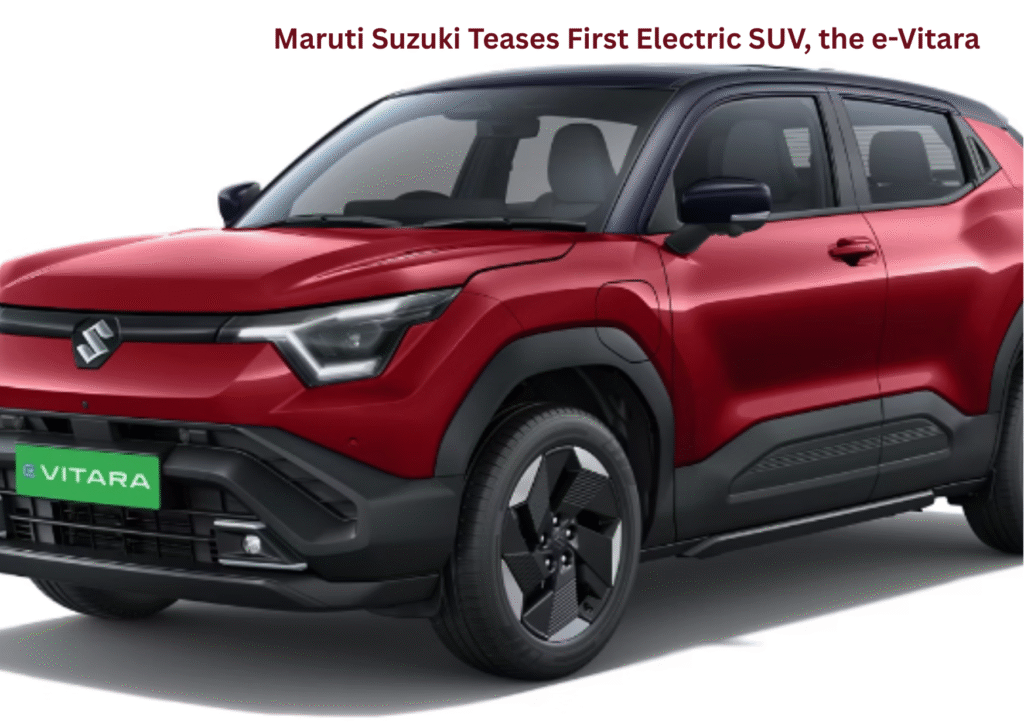
Answer: What is the mileage of the eVitara in real life?
Based on the battery capacities announced by Maruti Suzuki and efficiency estimates from early test drives, the eVitara is expected to deliver around 5.5 to 7 km per kWh in real-world Indian driving conditions. This translates to roughly 350-450 km of practical driving range, depending on traffic, driving style, weather, terrain, and use of air conditioning. Official ARAI-certified figures may be higher, but daily driving usually produces lower numbers.
Table of Contents
Understanding the Real-World Mileage of the eVitara
When buyers ask what the mileage of the eVitara is in real life, they are essentially asking how far the SUV can travel on a full charge under normal conditions.
Unlike petrol cars that use km/liter, electric vehicles use km/kWh. The higher the km/kWh figure, the better the efficiency.
Maruti Suzuki has confirmed that the eVitara will come with battery options around 49 kWh and 61 kWh for global markets. Real-world performance will depend heavily on road conditions across India.
A driver commuting in Bengaluru traffic may see different results than someone driving on highways between Mumbai and Pune.
Expected Real-World Range and Efficiency
The table below shows estimated real-world figures based on battery capacity and current EV efficiency trends in India.
| Battery Size | Expected Efficiency (km/kWh) | Estimated Real Range | Driving Condition | Charging Cost per km* |
|---|---|---|---|---|
| 49 kWh | 6.5-7.0 | 320-350 km | Mixed City | ₹1.1-₹1.3 |
| 49 kWh | 5.5-6.0 | 270-300 km | Highway | ₹1.3-₹1.5 |
| 61 kWh | 6.5-7.0 | 400-450 km | Mixed City | ₹1.1-₹1.3 |
| 61 kWh | 5.5-6.0 | 350-390 km | Highway | ₹1.3-₹1.5 |
| 61 kWh | 7.0+ | 450+ km | Efficient Driving | Below ₹1.1 |
*Estimated using average residential electricity tariffs.
Graph-Style Efficiency Comparison
| Driving Type | Efficiency |
|---|---|
| Efficient City Driving | ███████ 7.0 km/kWh |
| Normal City Driving | ██████ 6.5 km/kWh |
| Mixed Usage | ██████ 6.2 km/kWh |
| Highway Driving | █████ 5.8 km/kWh |
| High-Speed Highway | ████ 5.5 km/kWh |
Factors That Affect e-Vitara Mileage
Anyone researching what the mileage of the e-Vitara is in real life should understand that EV efficiency changes daily.
Heavy traffic often improves efficiency because regenerative braking recovers energy. High-speed highway driving usually consumes more power. Summer temperatures, frequent AC use, steep hills, and carrying extra passengers can also reduce range.
I have noticed this pattern across most modern EVs in India, including the Tata Nexon EV, MG ZS EV, and Mahindra XUV400. The same driving habits that improve efficiency in those vehicles will likely help the e-Vitara as well.
City vs Highway Performance
City driving generally produces the best numbers. Frequent braking allows regenerative braking systems to recover energy and send it back to the battery.
Highway driving above 100 km/h increases aerodynamic drag significantly. That means the battery drains faster and overall efficiency drops.
This is why many EV owners report better efficiency in urban driving than on expressways.
Is the eVitara efficient enough for Indian buyers?
For most families, the answer is yes. The expected efficiency figures suggest that daily commuting, weekend trips, and occasional highway journeys should be comfortable without constant charging concerns.
If your daily travel stays below 60 km, charging once every several days may be enough. Buyers moving from petrol SUVs will also notice a substantial reduction in running costs.
This is one reason why interest around what the mileage of the e-Vitara is in real life continues to grow ahead of its launch.
Final Verdict
The question, “What is the mileage of the e-Vitara in real life?” has become common because buyers want realistic expectations before making the switch to electric mobility. Current estimates indicate around 5.5 to 7 km/kWh efficiency and 350-450 km of practical range, depending on battery size and driving conditions.
For Indian families looking for a spacious electric SUV with low running costs, the e-Vitara appears promising. The final verdict will become clearer once independent road tests and owner reports arrive, but early indications suggest that Maruti Suzuki has developed an EV capable of meeting the needs of most everyday drivers.

Dattu Siddi is a Commerce graduate and automobile content writer with over 2 years of blogging experience. Based in Yellapur, Uttara Kannada (Karnataka), he focuses on delivering accurate, easy-to-understand car information using real-world calculations and practical comparisons. Through cardekho24, Dattu publishes clean, user-first automotive content—especially around EVs, budget cars, ownership costs, and real-life usage—to make car research simple, transparent, and trustworthy.