
Introduction:
Using the Tata Tiago EV for Uber/Ola in India changed everything I knew about ride-hailing profits. I did not switch because I love electric cars. I switched because my diesel hatchback was burning a hole in my wallet every single day. Here is exactly what happened after 12,000 real-world kilometers, how much I saved, and the rough edges nobody talks about.
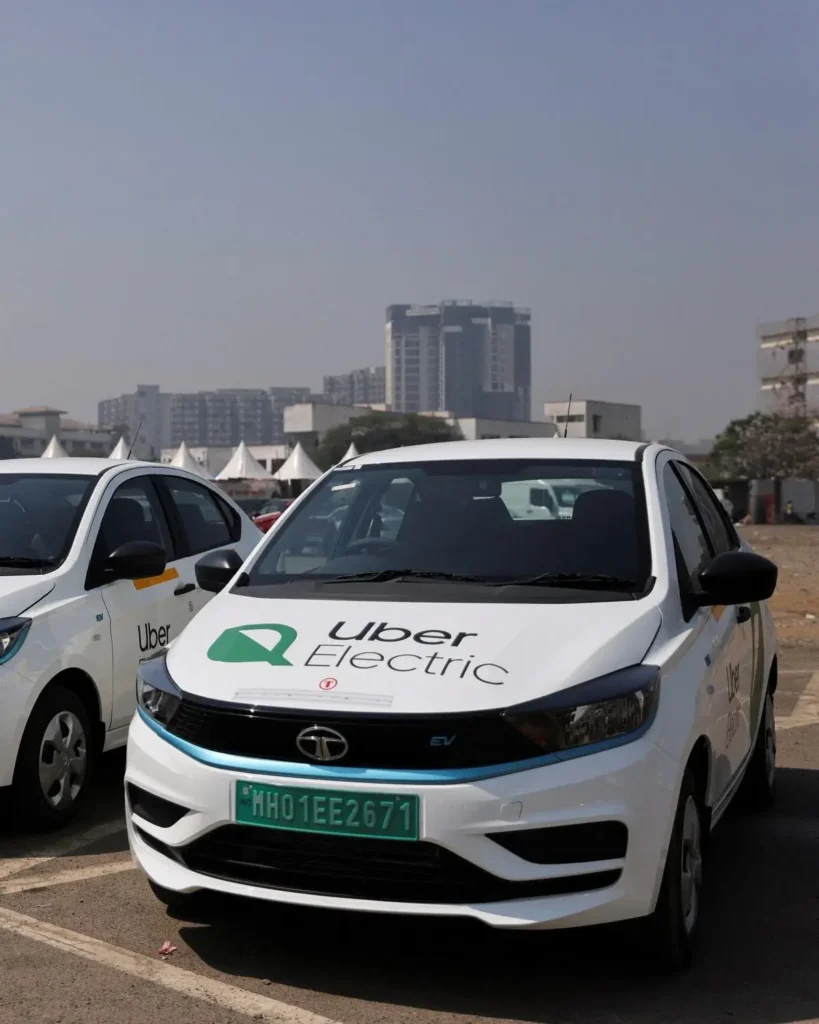
Table of Contents
Why I Parked the Diesel for Good
I drove a 2019 diesel hatch before this. The numbers were simple: 200 kilometers a day, 25 days a month, 5,000 kilometers on the clock. With diesel at ₹87 a liter and a real‑world 18 km/l, my monthly fuel bill sat at ₹24,200. That was more than my EMI. I was working on the fuel pump.
I started reading every thread I could find. I scoured the Tata Tiago EV for Uber Ola in India Quora posts, YouTube owner videos, and Telegram groups. Most drivers were cagey about sharing exact profit numbers. A few were blunt: the savings are real, but range management changes how you work.
I bought the XE Medium Range variant. The ex-showroom price in Delhi after the FAME II subsidy was ₹7.99 lakh. On-road with insurance, registration, and a home wall-box charger, I landed at around ₹8.7 lakh. The diesel replacement I considered would have cost ₹7.7 lakh on‑road. That ₹1 lakh gap became the center of every dinner-table argument.
Real Numbers After 12,000 Kilometres
Before I give you the monthly breakdown, understand my driving pattern. I do only city rides, mostly 3–12 km trips, and some airport runs on weekends. I charge at home every night on a 3.3 kW wall box. Electricity in my city costs ₹8 per unit.
Here is the cost comparison that matters to any driver thinking about using the Tata Tiago EV for Uber/Ola in India.
| Cost Parameter | Tiago EV XE (₹) | Diesel Hatch (₹) | Monthly Saving (₹) | Annual Impact (₹) |
|---|---|---|---|---|
| Fuel/Charging | 3,850 | 24,200 | 20,350 | 244,200 |
| Scheduled Maintenance | 500 | 2,500 | 2,000 | 24,000 |
| Insurance (monthly) | 1,350 | 1,200 | –150 | –1,800 |
| Additional EMI (EV) | +2,100 | – | –2,100 | –25,200 |
| Net Monthly Saving | 20,100 | 2,41,200 |
A quick visual makes the fuel cost gap embarrassingly obvious:
EV charging ████ ₹3,850
Diesel refills ██████████████████████████ ₹24,200
That bar chart is my answer every time another driver asks if the switch makes sense. My EMI went up by about ₹2,100, but my operating cost dropped by over ₹22,000 a month. I bank the difference every single week.
A 3-Month Review of Using the Tata Tiago EV for Uber Ola in India
After 90 days, here is my unfiltered review of using the Tata Tiago EV for Uber Ola in India.
The car does not feel like a compromise. The cabin is silent, the AC is ice-cold, and the instant torque means I never struggle to close a gap in city traffic. Passengers regularly ask if the car is expensive. I tell them the on‑road price and watch them double‑check the window sticker.
Ride quality is better than my old diesel hatch. The battery pack under the floor gives the Tiago EV a planted, heavy‑car feel without the weight penalty of a full‑size sedan. I do miss a dead pedal for my left foot on long airport runs, but that is a nitpick.
The biggest surprise was Uber’s EV incentive. In my city, Uber Green rides pay a slightly higher per‑kilometer rate and a small bonus per trip. It adds ₹150‑200 to my daily tally without extra effort. Ola runs similar EV‑first dispatch logic in some zones. I get more ride requests simply because the algorithm prefers the electric car during peak hours.
Charging Logistics and Range Anxiety, Honestly
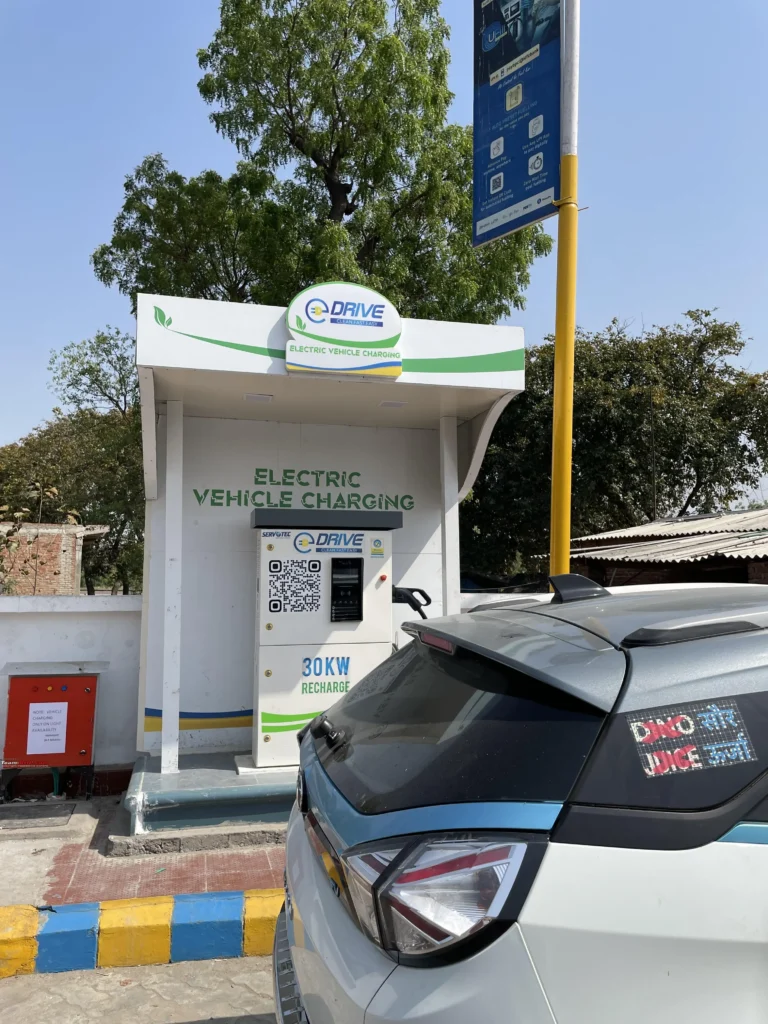
Here is where most using the Tata Tiago EV for Uber Ola in India Quora answers get fuzzy. The real‑world range of the 19.2 kWh battery is 200‑220 kilometers in city start‑stop traffic with the AC on. On a 200‑kilometer day, I come home with 8‑10% charge left. I plug in at 9 p.m., and the car is full by 4 a.m. No sweat.
The problem appears when I get an unplanned airport trip at 6 p.m. when I am already at 30% charge. I then need a 45‑minute fast‑charging stop at a public station. Fast charging adds roughly 10% to 80% in 60 minutes. That hour is lost revenue. I keep a few favorite CNG-style dhabas near DC chargers on the airport route. Lunch break plus charging equals a manageable pause.
I installed a 3.3 kW wall box at home for ₹12,000. I also carry a portable 15A charger that plugs into any three‑pin socket. It is slow, but it saves me if I visit family in a smaller town. Public charging has improved, but I still plan my long trips around confirmed charger locations.
What the Quora Threads Miss About Earnings
I read a popular Quora answer about using the Tata Tiago EV for Uber and Ola in India that claimed a driver saves only ₹8,000 a month. That person was comparing an EV to a CNG car, not a diesel, and paying commercial charging rates of ₹15 per unit. My savings balloon because I charge at a domestic tariff.
If you rely entirely on public fast chargers at ₹18‑20 per unit, your fuel cost jumps to ₹7,500‑8,500 a month. The saving over diesel shrinks to about ₹15,000, still solid but less spectacular. The takeaway is clear: home charging is the profit engine when using the Tata Tiago EV for Uber/Ola in India.
The other hidden gain is maintenance. No oil changes. No clutch. No turbo. The service bill after 15,000 km was ₹2,200, mostly for cabin filter, brake check, and software update. My diesel car would have needed an oil change and filter replacement costing ₹5,000‑6,000 in the same interval.
The EMI Question and Long‑Term Ownership
The higher EMI is a real hurdle. When I was finalizing the price for using the Tata Tiago EV for Uber Ola in India, the loan difference of ₹1 lakh meant an extra ₹2,100 a month for five years. My logic was straightforward: if the car saves me ₹20,000 a month, the extra EMI disappears in the noise after five months.
Battery degradation worried me at first. Tata’s 8‑year or 1.6 lakh km warranty on the battery covers capacity drop below 70%. At 12,000 km, my battery health shows 99%, according to the dealer’s diagnostic tool. I am not gentle with the car. I accelerate hard, I charge to 100% daily, and the battery does not seem to care.
Resale value is the question mark. Electric car resale is still uncharted water in India. I plan to run the car for at least 4‑5 years. If the battery holds up and I save ₹2.4 lakh a year, I break even on the entire car cost in under four years. Everything after that is pure upside.
Who Should Not Make the Switch
If you live in a rented apartment without fixed parking, home charging is a headache. If you do mostly outstation trips, the charging network might test your patience. If your daily run exceeds 250 km, the Medium Range variant will force a midday charge, cutting into your prime earning hours.
But if you drive 150‑220 km a day inside a city, have a parking spot with a power socket, and want to keep more of your fare money, the Tiago EV is a cold, hard business decision. No emotion required.

Final Word
I have now clocked six months and 12,000 km using the Tata Tiago EV for Uber/Ola in India. My bank balance tells me this was the right call. The car is not perfect. The touchscreen sometimes lags, the rear seat could use more thigh support, and the boot is shaped awkwardly for large suitcases. None of that matters when I see my monthly fuel bill of under ₹4,000.
The switch made me a more relaxed driver. I no longer calculate how many liters I am burning in bumper-to-bumper traffic. I just drive. The savings pay the EMI, feed my family better, and leave enough to put aside for my kid’s school fees. That is the honest truth of using the Tata Tiago EV for Uber/Ola in India.

Dattu Siddi is a Commerce graduate and automobile content writer with over 2 years of blogging experience. Based in Yellapur, Uttara Kannada (Karnataka), he focuses on delivering accurate, easy-to-understand car information using real-world calculations and practical comparisons. Through cardekho24, Dattu publishes clean, user-first automotive content—especially around EVs, budget cars, ownership costs, and real-life usage—to make car research simple, transparent, and trustworthy.
Pingback: 7 Shocking The Tata Tiago EV Disadvantages Owners Regret