
The MG Windsor EV charging time and unit consumption are one of the first things buyers check before bringing this electric crossover home. Range matters, but charging speed and electricity usage decide your daily running cost.
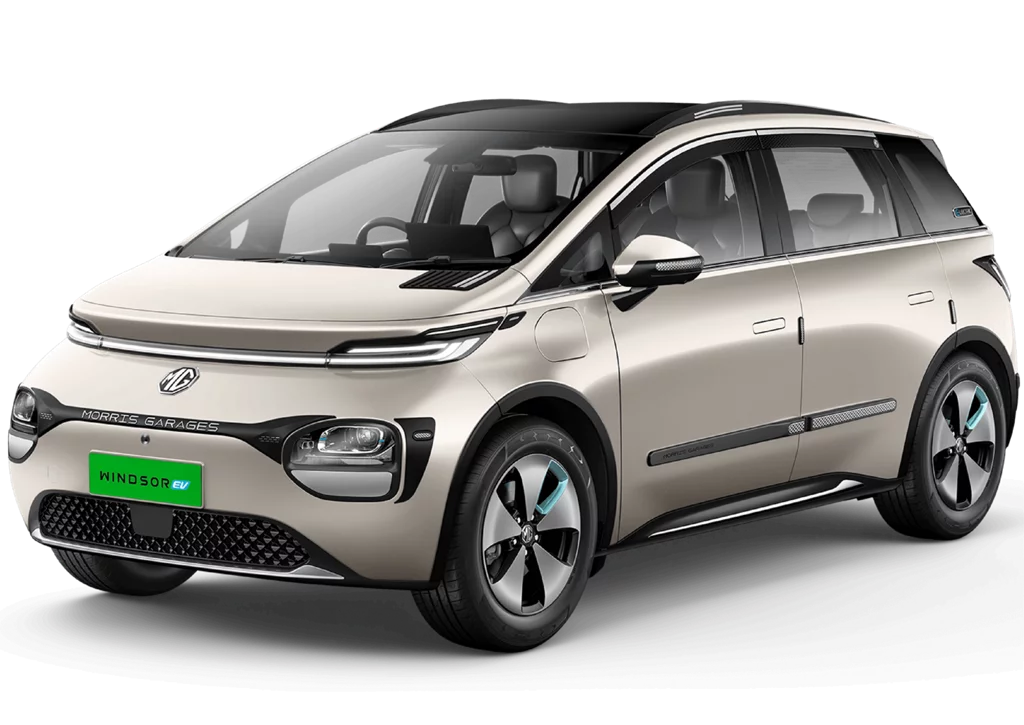
The MG Windsor EV comes with two battery options in India: a 38 kWh battery and a larger 52.9 kWh battery. According to vehicle specifications published by automotive platforms, the smaller battery supports up to 45 kW DC fast charging, while the larger pack supports up to 60 kW DC charging.
Table of Contents
MG Windsor EV charging time and unit consumption explained
When we talk about MG Windsor EV charging time and unit consumption, the word “unit” simply means 1 kWh of electricity.
A 38 kWh battery can consume around 38 units of electricity for a full charge from near-empty to full. Real-world charging losses add a small amount, so actual electricity drawn from the grid may be slightly higher
For most owners, home charging remains the most practical option because the car stays parked overnight.
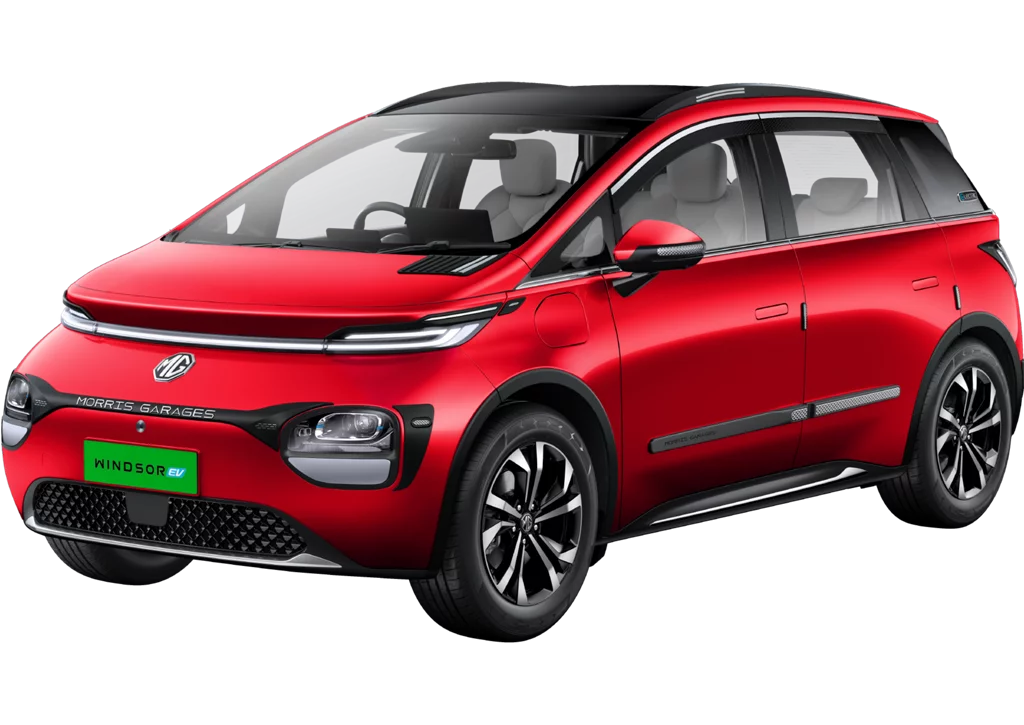
Charging times for different charging methods
The table below shows commonly reported charging figures for the Windsor EV.
| Battery Pack | Charger Type | Charging Speed | Charging Time | Approx. Units Consumed |
|---|---|---|---|---|
| 38 kWh | AC Home Charger | 3.3 kW | 13.5 hours | 38 units |
| 38 kWh | AC Wall Box | 7.4 kW | 7 hours | 38 units |
| 38 kWh | DC Fast Charger | 45 kW | 45 minutes (20-80%) | About 23 units |
| 52.9 kWh | AC Wall Box | 7.4 kW | 9.5 hours | 52.9 units |
| 52.9 kWh | DC Fast Charger | 60 kW | 50 minutes (0-80%) | About 42 units |
Source: Vehicle specifications and charging data from automotive publications.
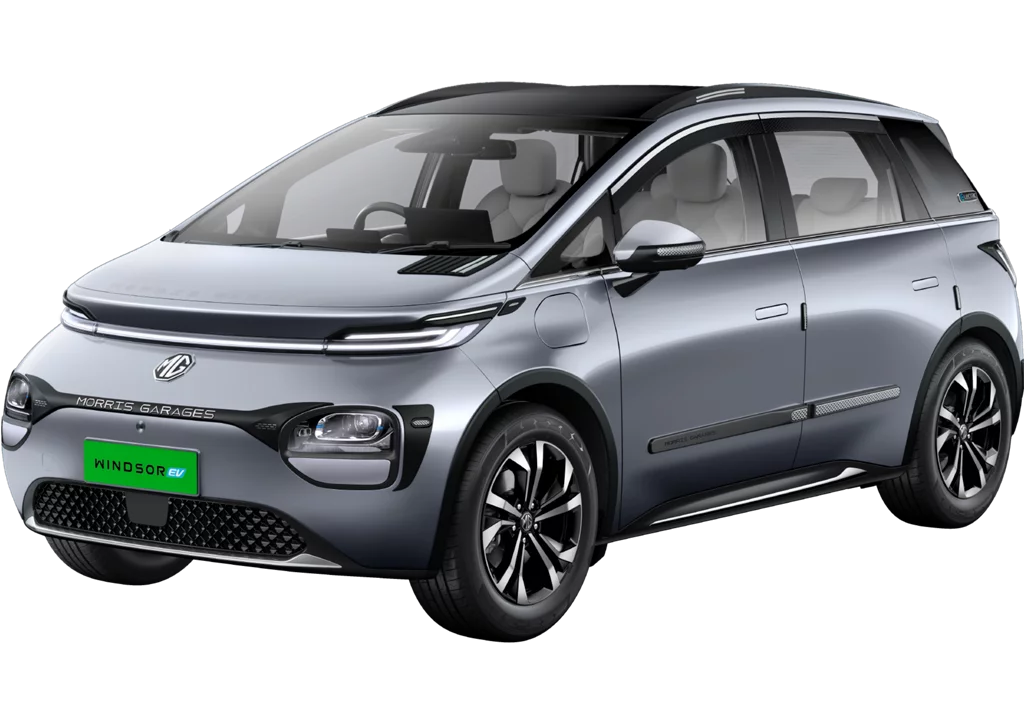
MG Windsor EV charging time and unit consumption in daily use
For a typical city driver covering 40 to 50 km per day, the battery rarely reaches zero.
If your Windsor consumes around 12 to 14 kWh per 100 km, a 50 km commute may use roughly 6 to 7 units of electricity. At an electricity tariff of ₹8 per unit, that equals about ₹48 to ₹56 per day.
This is why many owners consider MG Windsor EV charging time and unit consumption a strong advantage compared with petrol-powered vehicles. The running cost remains predictable and easy to calculate.
Graph-style view of charging speed
Charging speed varies significantly depending on the charger used.
Charging Speed Comparison

3.3 kW AC   ███
7.4 kW AC   ███████
45 kW DC    ████████████████████████████████████████
60 kW DC    ███████████████████████████████████████████████
The graph clearly shows why highway travelers prefer DC fast charging, while home users rely on AC charging overnight.
Real ownership considerations
Many Windsor owners report that home charging covers most of their energy needs. Community discussions also show that AC charging remains the preferred method for daily use because it is convenient and generally places less stress on charging infrastructure. Some owners have reported occasional DC charging issues that were addressed through service visits or software updates.
This practical ownership experience adds useful context when evaluating MG Windsor EV charging time and unit consumption for long-term use.
Is the electricity cost affordable?
For most Indian households, charging the Windsor EV costs far less than refueling a petrol car covering the same distance. The exact figure depends on your state electricity tariff, charging habits, weather, and driving style.
When buyers compare MG Windsor EV charging time and unit consumption with conventional fuel expenses, the savings often become clear within the first few months of ownership.
Conclusion
MG Windsor EV charging time and unit consumption remain one of the strongest reasons to consider this EV. The 38 kWh version can fully charge in about 7 hours using a 7.4 kW wall box, while DC fast charging can take the battery from 20% to 80% in roughly 45 minutes. The larger 52.9 kWh version needs more electricity but also delivers greater range.
For buyers who charge at home and drive mainly in cities, the Windsor EV delivers a practical balance of charging convenience, predictable electricity costs, and everyday usability.

Dattu Siddi is a Commerce graduate and automobile content writer with over 2 years of blogging experience. Based in Yellapur, Uttara Kannada (Karnataka), he focuses on delivering accurate, easy-to-understand car information using real-world calculations and practical comparisons. Through cardekho24, Dattu publishes clean, user-first automotive content—especially around EVs, budget cars, ownership costs, and real-life usage—to make car research simple, transparent, and trustworthy.