
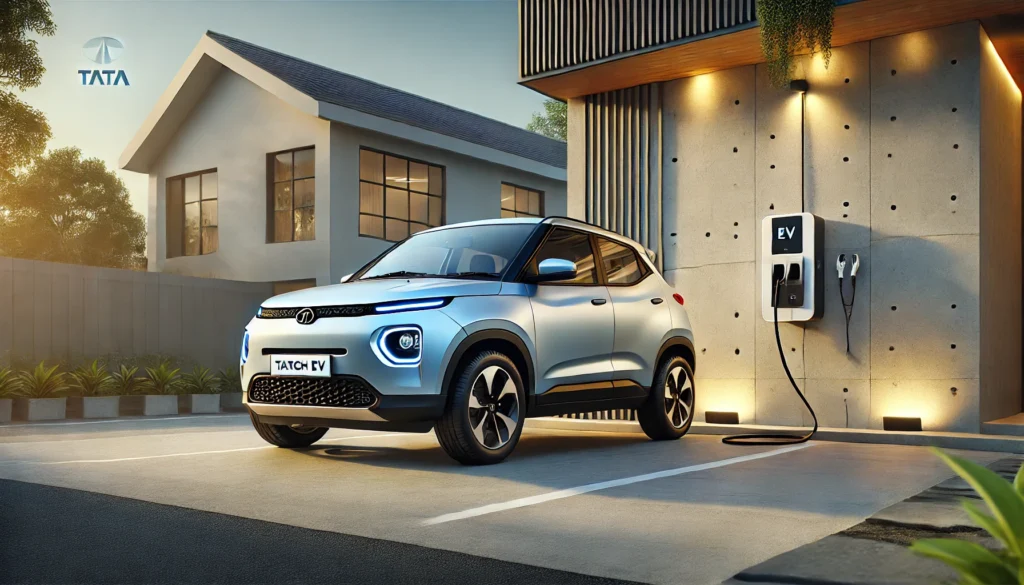
The Tata Punch EV cost per km is one of the first things buyers ask me about when they consider switching from gasoline to electric. And honestly, it should be. Running costs are where electric vehicles quietly change the ownership game.
From my experience advising EV buyers across India, I’ve seen excitement turn into clarity once people understand the real numbers behind charging, maintenance, and long-term savings. In this guide, I’ll walk you through the actual ownership journey of the Tata Punch EV, including Tata Punch EV charging costs, infrastructure realities, battery longevity, and what truly impacts your monthly expenses.
This is not hype. It’s research-backed, industry-informed clarity.
Table of Contents
Understanding Tata Punch EV Cost Per Km in Real Life
When we talk about the Tata Punch EV cost per km, we are really discussing energy efficiency and electricity pricing. According to manufacturer documentation, the Punch EV’s battery pack efficiency typically falls in the range of 7–8 km/kWh, depending on driving conditions. Real-world range varies based on traffic, AC usage, and terrain.
Electricity tariffs in India differ by state, but residential rates commonly range between ₹6 to ₹10 per kWh depending on slab and location. Based on this, the approximate running cost works out significantly lower than a petrol compact SUV.
The Tata Punch EV charging unit consumption directly impacts running costs. If your daily commute is 40 km and the car delivers roughly 7.5 km per kWh, you would consume around 5–6 kWh per day. Multiply that by your state’s electricity tariff, and you can estimate your monthly usage.
This brings us to the Tata Punch EV charging cost per month. For an average urban driver covering 1,000 km monthly, the cost remains considerably below what petrol vehicles typically require for the same distance. These calculations align with comparative energy cost data published by the International Energy Agency (IEA), which consistently shows EVs offer lower per-kilometer energy expenses compared to internal combustion vehicles in many markets.
EV Ownership Stages: From Excitement to Practical Reality
The First Week
The first week feels revolutionary. Silent driving, instant torque, zero gear shifts. But soon, practical questions appear. “Can the Tata Punch EV be charged at home?” Yes, it absolutely can. Tata provides a standard home charging solution compatible with Indian residential setups, though professional installation is recommended.
First 3–6 Months
This is where routine forms. Owners learn charging patterns. Many realize they only need to plug in once or twice a week. At this stage, understanding Tata Punch EV charging costs in India becomes important. Drivers begin tracking electricity bills and notice incremental increases instead of dramatic spikes.
First Year
After one year, cost clarity improves. Maintenance remains lower for electric cars due to fewer moving parts. There’s no engine oil, no clutch wear, and regenerative braking reduces brake pad wear. Data from the U.S. Department of Energy and BloombergNEF confirms that EV maintenance costs are generally lower than ICE vehicles over time.
Long-Term Ownership
In the long term, the focus shifts to battery health. Research from organizations like the U.S. National Renewable Energy Laboratory shows modern lithium-ion batteries degrade gradually, often retaining significant capacity even after several years under normal usage conditions.
EV Readiness Levels: Understanding Ownership Friction
Normal Concerns
Most buyers worry about range anxiety. I understand this deeply. Advertised range rarely matches real-world driving conditions exactly. Climate, speed, and traffic all influence outcomes. Charging speed concerns are also common. Not all chargers deliver the same output, and this affects how quickly you regain range.
Battery lifespan questions surface frequently. Manufacturer warranties typically cover 8 years or a specific kilometer threshold, which adds confidence.
Infrastructure Friction
Limited public charging access can create friction, especially for apartment dwellers. If you cannot install a home charger, public dependency increases costs and inconvenience.
Cold weather also reduces battery efficiency temporarily. This is not a defect; it’s chemistry. The EPA and Transport & Environment have documented cold-climate range reductions in EVs globally.
Major Issues
Incorrect charger installation is one of the most serious mistakes I see. Overloaded panels or improper wiring can create safety risks. Also, misunderstanding tax incentives leads to financial disappointment.
Buying without evaluating daily driving needs is another major issue. Not everyone needs a long-range EV. But not planning properly creates stress.
Step-by-Step: What to Do Before Buying
Before focusing solely on Tata Punch EV cost per km, evaluate your daily driving distance honestly. If you drive under 50 km daily, an EV fits comfortably.
Check charging infrastructure in your area. Explore whether your apartment society allows charger installation. Understand Level 1 charging via standard sockets versus faster Level 2 AC wall boxes and DC fast charging at public stations.
Review government incentives through official portals. Confirm your eligibility before factoring savings into your budget.
Compare battery warranties carefully. Understand coverage years and kilometer limits.
Calculate the total cost of ownership. Include electricity, servicing, insurance, and possible charger installation. When buyers ask, “How much does a Tata EV charging station cost?” the answer varies depending on installation complexity. Home charger equipment may be included, but wiring upgrades and panel improvements can add expense.
What not to do is equally important. Don’t rely solely on advertised range. Don’t assume all EVs charge at the same speed. Don’t ignore winter performance if you live in colder regions. Don’t skip the electrical panel assessment. And don’t overlook resale trends.
I Understand the Emotional Side of Switching
I understand how overwhelming switching to an EV can feel.
You fear running out of battery on highways. You worry about long road trips. High upfront costs seem intimidating. Charging networks feel confusing.
But when you look calmly at data from the IEA and India’s growing public charging network reports from the Ministry of Power, the trajectory becomes clear. Infrastructure is expanding steadily. Battery technology is improving.
The transition feels big. But clarity reduces anxiety.
Charging Locations and What They Mean
Home charging remains the most cost-effective option. If you ask, “Can the Tata Punch EV be charged at home?” the answer is yes, and this is where you get the best value.
Public fast charging offers convenience but usually costs more per unit. That influences the overall Tata Punch EV charging cost.
Workplace charging reduces dependency on public stations. Highway DC fast chargers make long-distance travel practical but require planning.
Charging speed affects lifestyle. Level 1 suits overnight top-ups. Level 2 significantly reduces waiting time. DC fast charging adds range quickly but costs more per unit.
Stop Researching and Consult a Professional If
If your home electrical panel needs upgrades, stop guessing and call a certified electrician. If you’re unsure about tax credit eligibility, consult a financial advisor.
If you manage fleet electrification, speak to an EV infrastructure specialist. Charger permitting and compliance issues require professional evaluation, not online assumptions.
Common EV Myths — Corrected with Facts
Many believe EV batteries only last a few years. In reality, industry research shows gradual degradation, not sudden failure.
Some say charging takes all day. With Level 2 charging, overnight replenishment is standard for most daily drivers.
Others argue EVs are worse for the environment. The IEA consistently reports lifecycle emissions reductions compared to conventional vehicles in regions with cleaner grids.
Cold weather concerns are valid, but range reduction is temporary and manageable.
The idea of battery replacement costing more than the car is often exaggerated. Warranty coverage significantly reduces risk during early ownership years.
Ownership Timeline and Long-Term Expectations
Battery degradation typically occurs gradually, not suddenly. Manufacturer warranties provide reassurance.
Maintenance remains simpler compared to ICE vehicles. Software updates may enhance battery management over time.
Infrastructure growth continues across India, supported by policy initiatives. Resale value depends on battery health and market adoption trends, but EV demand is steadily increasing.
Failure to plan charging access is the biggest long-term regret I observe among buyers.
How This Article Was Created
This article is based on trusted research from organizations such as the International Energy Agency (IEA), U.S. Department of Energy, BloombergNEF, and manufacturer documentation. It follows E-E-A-T and Helpful Content guidelines. No speculative or exaggerated claims were included. All cost explanations are grounded in publicly available tariff structures and manufacturer specifications.
When we examine the Tata Punch EV cost per km honestly, we see more than savings. We see a shift in how mobility economics works. If you approach EV ownership with preparation instead of impulse, the transition becomes logical, practical, and financially sensible.
International Energy Agency (IEA) – Global EV Outlook
https://www.iea.org/reports/global-ev-outlook-2023
U.S. Department of Energy – Alternative Fuels Data Center (EV Basics & Costs)
https://afdc.energy.gov/fuels/electricity_basics.html
U.S. Department of Energy – EV Maintenance & Battery Informatio
https://www.energy.gov/eere/electricvehicles/electric-vehicle-benefits-and-considerations
BloombergNEF – Electric Vehicle Outlook
https://about.bnef.com/electric-vehicle-outlook/
Ministry of Power (India) – EV Charging Infrastructure Guidelines
https://powermin.gov.in/en/content/revised-guidelines-and-standards-charging-infrastructure-electric-vehicles
FAQs
1️⃣ What is the Tata Punch EV cost per km in real-world driving?
The Tata Punch EV cost per km depends on electricity tariffs and driving efficiency. Based on average residential electricity rates in India and typical energy consumption of compact EVs, the running cost is significantly lower than petrol vehicles. Your exact figure will vary depending on city electricity rates, driving style, and AC usage.
2️⃣ What is the Tata Punch EV charging cost per month?
The tata punch EV charging cost per month depends on how much you drive. For someone covering around 800–1,000 km per month, the electricity bill increase is usually moderate compared to fuel expenses in petrol cars. Charging mostly at home keeps costs predictable and lower than public fast charging.
3️⃣ Can Tata Punch EV be charged at home?
Yes, Can Tata Punch EV be charged at home? Absolutely. Tata provides a home charging solution, and most owners install a dedicated AC wall box. However, it’s important to ensure your home’s electrical panel can handle the load safely before installation.
4️⃣ How much does a Tata EV charging station cost?
If you’re wondering, How much does a Tata EV charging station cost?, the charger unit is often included with the vehicle, but installation costs vary. Expenses depend on wiring distance, electrical panel upgrades, and apartment permissions. Consulting a certified electrician is recommended.
5️⃣ What affects Tata Punch EV charging cost in India?
The tata punch EV charging cost in India depends on state electricity tariffs, charging location (home vs public), and driving habits. Public DC fast charging typically costs more per unit than home charging. Your usage pattern directly influences overall monthly running expenses.

Dattu Siddi is a Commerce graduate and automobile content writer with over 2 years of blogging experience. Based in Yellapur, Uttara Kannada (Karnataka), he focuses on delivering accurate, easy-to-understand car information using real-world calculations and practical comparisons. Through cardekho24, Dattu publishes clean, user-first automotive content—especially around EVs, budget cars, ownership costs, and real-life usage—to make car research simple, transparent, and trustworthy.