
When people search for the Maruti Suzuki Ignis negative reviews, they’re usually not nitpicking. They’re worried. They want to know what daily life with the car actually feels like after the showroom excitement fades.
Across owner forums, dealership feedback, and long-term reviews, a few themes repeat. These are not deal-breakers for everyone, but they matter depending on your expectations. Many buyers later ask, what are the problems of the Maruti Suzuki Ignis? The answers are rooted in design choices, positioning mistakes, and market timing rather than outright mechanical failure.
Table of Contents

Maruti Suzuki Ignis negative reviews
Ankit Madan on Feb 20, 2022
Poor Quality, Cheating Customer
The biggest problem is the steering’s faulty alignment. Very dangerous! This is a known issue to date, and Maruti is quiet about it. Please consider other vehicles, as this one is of very poor quality. No resolution from Maruti.
Anil Sinha on Feb 08, 2022
Unsafe Car
Totally unsafe car. During a head-on collision, the airbags did not open, and Maruti people are keeping silent on this. Vehicle lying unattended.
Mukhar Agrawal on Mar 17, 2021
Waste Of Money
Bad interior design and not a worthy car for this price range. Bad plastic is used in the interior, and there is a wastage of storage space.
Sanoop on Aug 09, 2020
Worse Than Expected
The worst car is the Ignis petrol 2019, and the diesel is way better in every aspect. Don’t go for the old petrol version; the diesel version is good, and the petrol one is worse than expected. It felt like a Celerio petrol engine, which is a failure.
Suresh Kumar Sharma on Jun 10, 2018
Ignis car design flaw
Using an Ignis car for the last 6 months. Hardly run 3000 km…not satisfied with the performance…poor pickup, slight vibrations in the clutch brake & accelerator feel. Service was very poor. Even after raising concern, the problem was not resolved.
Design confusion: why many buyers walk away
One of the biggest weaknesses of the Ignis isn’t under the bonnet. It’s in how the car looks and feels emotionally. Indian buyers struggled to place it. Is it a hatchback? A mini-SUV? A lifestyle car?
Also read: What are the disadvantages of the Wagon R?—A real ownership perspective
This confusion directly feeds into the Maruti Suzuki Ignis’s negative reviews because expectations and reality don’t align. Buyers expecting SUV-like road presence feel disappointed. Those expecting a premium hatch feel the interior lacks polish. This design identity crisis is a core reason people ask, Why is Ignis not popular?
Cabin experience and perceived quality issues
Step inside, and the Ignis shows both strengths and flaws. The dashboard layout is functional, but the plastics feel average for the price. After 20,000–30,000 km, owners frequently report rattles from door pads and the dashboard area.
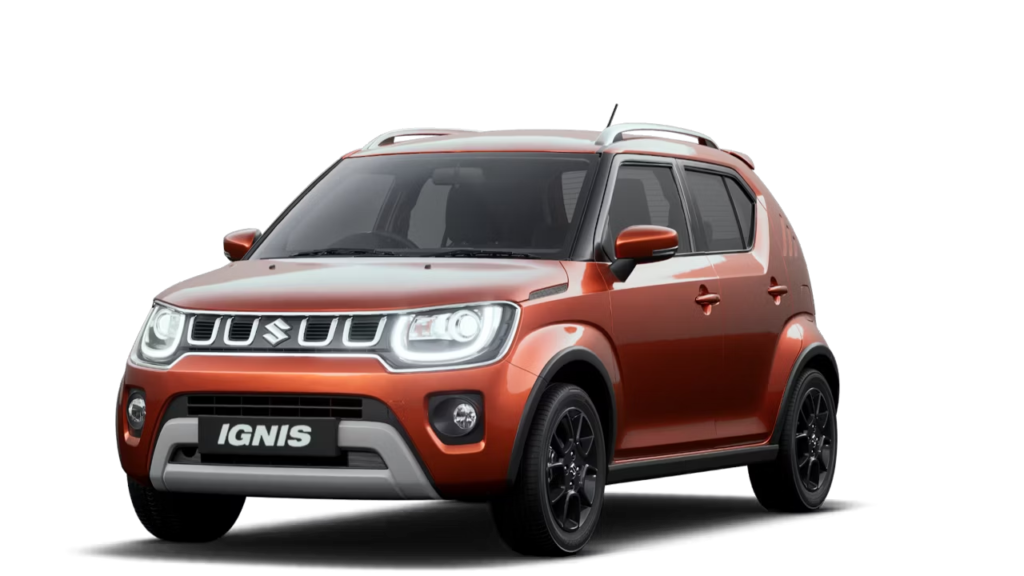
This leads to the question, is there any problem with the Maruti Suzuki Ignis? Mechanically, it’s reliable. But from a daily comfort and quality perspective, the cabin doesn’t age as gracefully as buyers expect from a Maruti.
Below is a simplified data snapshot compiled from ownership reports and service feedback patterns.
| Ownership Issue Category | Frequency Reported | Mileage Impact | Avg Maintenance Cost (₹/year) | Owner Satisfaction Trend |
| Interior rattles | High | None | 2,000–3,000 | Declining after 2 years |
| Suspension firmness | Medium | Minor | 1,500–2,500 | Mixed |
| AMT jerks | Medium | None | 3,000–4,000 | Frustrating in traffic |
| Low rear seat comfort | High | None | Nil | Poor for families |
| Resale uncertainty | Medium | None | Nil | Below Maruti average |
This table explains why common issues with the Maruti Suzuki Ignis are more about comfort and perception than breakdowns.
Also read: 6 Hidden Disadvantages of The Maruti Suzuki Eeco That Hurt Long-Term Ownership
Is Ignis suspension good or bad on Indian roads?
This is one of the most debated topics in Maruti Suzuki Ignis negative reviews. The suspension is tuned on the firmer side. On smooth city roads, it feels stable and planted. But on broken patches, potholes, or speed breakers, the stiffness becomes obvious.

Rear seat passengers feel vertical movement more sharply, especially at low speeds. That’s why many owners ask, is Ignis suspension good or bad? The honest answer is: good for handling, not great for comfort. Elderly passengers and families notice this quickly.
Engine performance is reliable, but not exciting
The 1.2L petrol engine is a known Maruti workhorse. Reliability isn’t the issue. The problem is expectation. The Ignis looks sporty, but the driving experience is calm, not thrilling.
Also read: What are the problems of the Maruti Suzuki Ertiga? A reality check for buyers
AMT owners often complain about head-nod jerks in traffic. This becomes a daily irritation, leading to questions like, what is the common problem of the Maruti Suzuki Ignis? For many, it’s the gearbox behavior rather than the engine itself.
Why did the Maruti Suzuki Ignis fail commercially?
This question comes up repeatedly in market analysis discussions. Why did the Maruti Suzuki Ignis fail despite being from a trusted brand?
The answer lies in positioning. It was priced too close to better-known alternatives, marketed as a Nexa lifestyle product, and misunderstood by the mass market. This directly answers why Ignis is not selling. The car never clearly communicated who it was meant for. Even today, Maruti Suzuki Ignis negative reviews often mention “good car, wrong image.” That sums it up perfectly.
Ownership suitability: who should actually buy an Ignis?
Here’s where things get interesting. Despite all the criticism, the Ignis is not a bad car. But it’s a niche car. City users who drive mostly alone or with one passenger, value compact size, and want low maintenance can still find value.
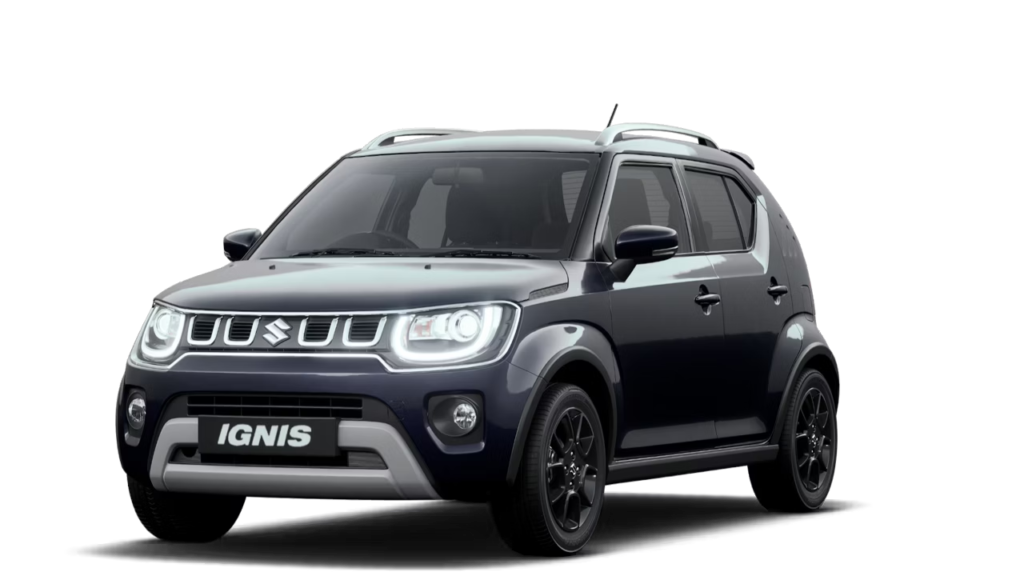
The confusion arises when family buyers expect it to behave like a Baleno or Swift. That mismatch fuels questions such as, “Is Ignis good to buy?” The answer depends entirely on your usage pattern.
| Aspect | Ignis Strength | Ignis’s Weakness | Ownership Reality | Best Suited For |
| City driving | Easy, compact | Stiff ride | Stress-free | Solo commuters |
| Highway comfort | Stable | Noisy cabin | Average | Short trips |
| Family usage | Low | Rear comfort | Limited | Not ideal |
| Maintenance | Low | AMT complaints | Affordable | Budget users |
| Resale value | Medium | Low demand | Uncertain | Long-term keep |
This grapes-style comparison makes it clear why Maruti Suzuki Ignis negative reviews coexist with satisfied long-term owners.
Weaknesses buyers don’t notice during test drives
Short test drives hide long-term realities. Over time, owners notice thin door insulation, average sound damping, and limited rear seat headroom. These factors don’t show up on spec sheets but shape daily satisfaction.
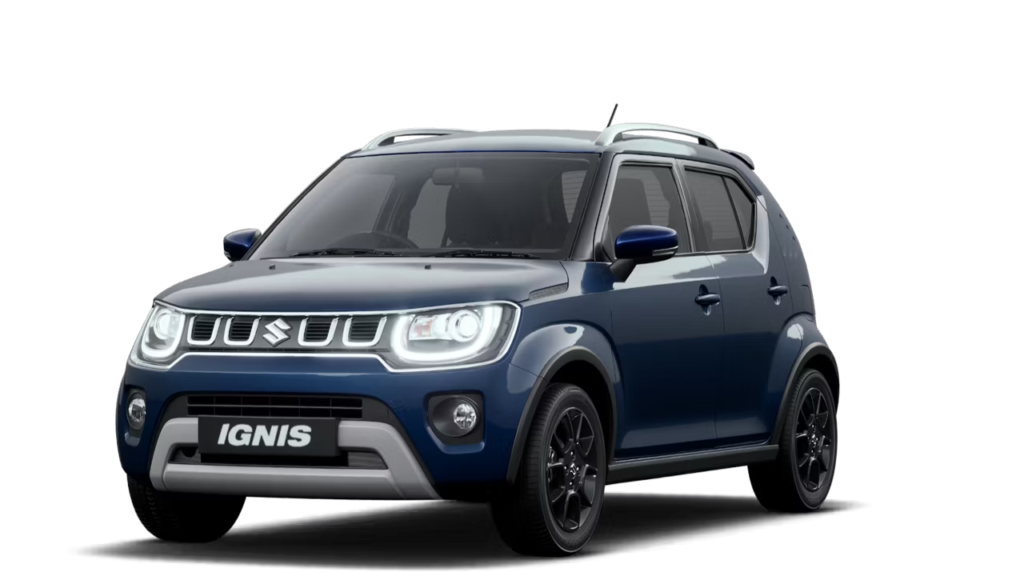
This leads many to ask, what are the weaknesses of the Maruti Suzuki Ignis? The weaknesses are subtle, cumulative, and lifestyle-dependent rather than dramatic failures.
Final verdict from a real-world perspective
After analyzing years of Maruti Suzuki Ignis negative reviews, one conclusion stands out. The Ignis didn’t fail because it was unreliable. It struggled because it didn’t fit neatly into what Indian buyers expected.
If you want a compact, reliable, city-friendly car and can live with its quirks, it still makes sense. But if you want comfort, space, or a premium feel, the Ignis will leave you questioning your decision.
The smartest buyers are those who understand these realities before signing the cheque. That’s how you turn confusion into confidence—and avoid buyer’s remorse altogether.

Dattu Siddi is a Commerce graduate and automobile content writer with over 2 years of blogging experience. Based in Yellapur, Uttara Kannada (Karnataka), he focuses on delivering accurate, easy-to-understand car information using real-world calculations and practical comparisons. Through cardekho24, Dattu publishes clean, user-first automotive content—especially around EVs, budget cars, ownership costs, and real-life usage—to make car research simple, transparent, and trustworthy.
Net12, huh? Gave it a spin. It’s alright. Nothing too crazy, but a decent option if you feel like killing time. Have look at net12 and see what you think!