
What are the disadvantages of Swift? This is one question I hear repeatedly from first-time car buyers and long-term Maruti owners alike. Over the years, while researching hatchbacks, speaking with service advisors, and driving multiple generations of the Swift, I’ve realized something important. The Swift is not a bad car. But it is also not the perfect car many assume it to be.
In this article, I’m not here to praise or bash it. I’m here to explain the real-world downsides, ownership complaints, and practical weaknesses that don’t always show up in glossy brochures. If you’re planning to buy one or already own it, this will help you decide with clarity rather than regret.
Table of Contents
Why do buyers keep asking, “What are the disadvantages of Swift?”
The Swift enjoys massive popularity in India. That popularity itself creates unrealistic expectations. Many buyers expect a sporty car, a family car, a highway cruiser, and a low-cost ownership experience—all rolled into one.
That’s where disappointment often begins. When expectations rise faster than reality, even small flaws feel bigger. This section connects directly to What are the problems of Maruti Suzuki Swift?, because most issues are not deal-breakers but day-to-day irritants that slowly surface.
Interior quality and cabin feel: sporty outside, basic inside
One of the most common issues faced by Maruti Suzuki Swift owners is interior quality. From the outside, the car looks aggressive and youthful. Step inside, and the story changes.
Hard plastics dominate the cabin. Over time, rattling noises develop, especially on rough roads. Owners who upgrade from premium hatchbacks often feel let down by the overall cabin richness. This is where many Maruti Suzuki Swift negative review posts originate.
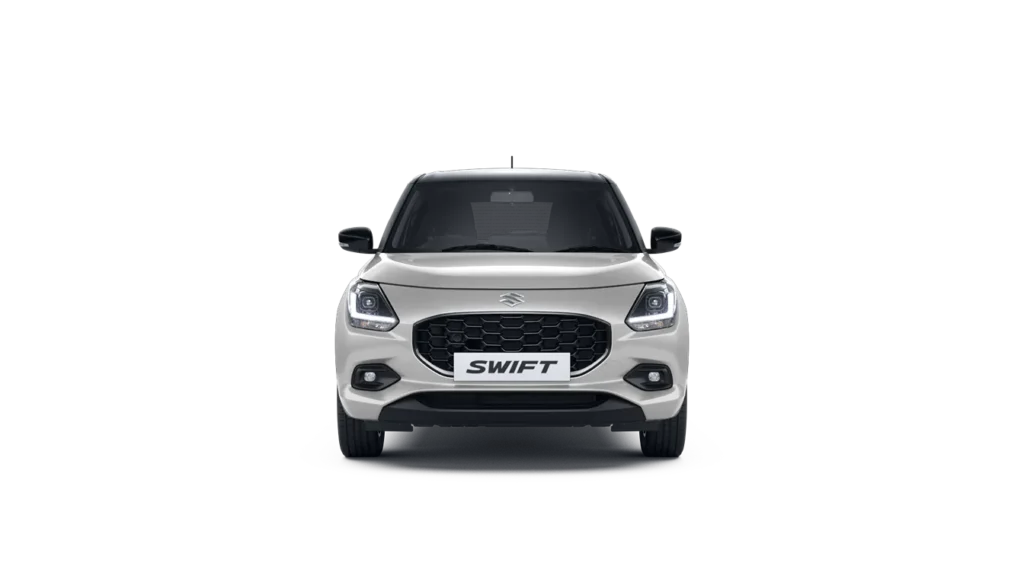
This is also where buyers start asking again, What are the disadvantages of Swift?, because the mismatch between exterior appeal and interior experience feels very real after a few months of ownership.
Rear seat comfort and space limitations
Rear seat comfort remains one of the biggest compromises. The legroom is just about adequate, not generous. Taller passengers feel cramped on longer drives. The sloping roofline affects headroom, especially for adults over 5’9”.
For a family-oriented buyer, this becomes What is the weakness of the Suzuki Swift? The car is happiest with two people in front and occasional rear passengers, not full-time family usage.
On paper, the dimensions look fine. In real life, the seating posture and narrow cabin width limit comfort.
Ride quality on bad roads and highways
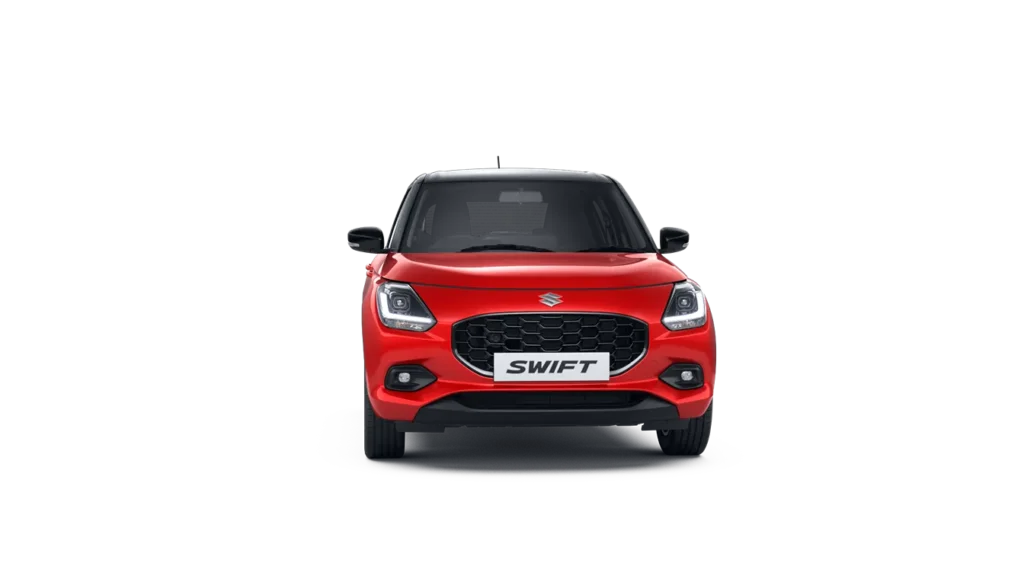
The Swift handles well in cities. That’s undeniable. But ride comfort on broken roads is a different story. The suspension is tuned on the stiffer side, which helps handling but transfers bumps into the cabin.
At highway speeds, expansion joints and uneven surfaces are clearly felt. This directly answers What are the disadvantages of Swift? for buyers who regularly drive on state highways or rural roads. If your daily route includes potholes or uneven tarmac, the Swift will remind you of it—often.
High-speed stability and steering feedback
Maruti has improved high-speed stability over generations, but it still doesn’t inspire full confidence beyond 110–120 km/h. The steering feels light, which is great in traffic but vague on highways.
Many owners describe this as a subtle nervousness, especially during sudden lane changes. This is another reason Maruti Suzuki Swift cons discussions frequently pop up in ownership forums.
It’s not unsafe. But it doesn’t feel planted like some competitors.
Real-world mileage vs expectations
Mileage is a strong selling point. But real-world figures often fall short of what buyers expect. In city traffic with AC, petrol variants frequently return lower-than-claimed numbers.
Here is a simplified ownership insight table based on aggregated owner data and service feedback.
| Ownership Issue | Real-World Impact | Mileage Variation | Maintenance Sensitivity | Long-Term Effect |
| City traffic usage | Reduced efficiency | -15% to -20% | Medium | Higher fuel spend |
| Aggressive driving | Faster wear | -20%+ | High | Lower resale |
| Poor road conditions | Suspension stress | -10% | Medium | Ride discomfort |
| Short trips | Engine inefficiency | -12% | Low | Carbon buildup |
| Highway cruising | Stable returns | +5% | Low | Better longevity |
This table answers, “What are the problems of the Maruti Suzuki Swift?” in practical ownership terms rather than brochure promises.
Safety perception and build confidence
Safety is an emotionally charged topic. While newer Swifts have improved features, many buyers still feel uneasy about overall build quality.
The doors feel light. Panel thickness doesn’t inspire confidence. This perception alone leads many to search, “What are the disadvantages of Swift?” late at night before finalizing their booking.
For urban use, it’s acceptable. For those prioritizing a tank-like build, it may not satisfy.
Engine refinement vs long-term durability
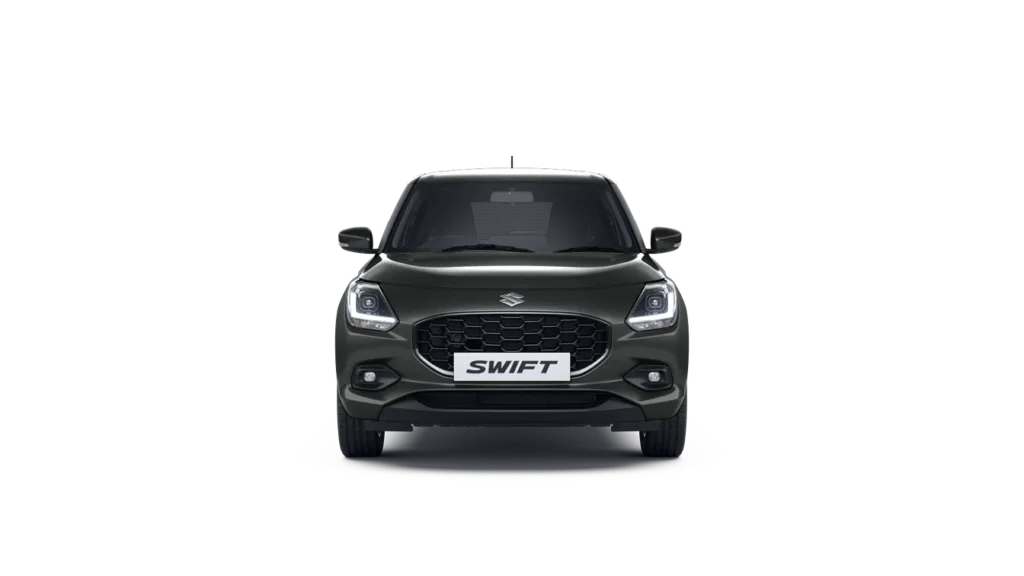
The petrol engine is smooth and refined, no doubt. But long-term owners often report increased vibration after 60,000–70,000 km, especially if maintenance is irregular.
This doesn’t mean the engine is unreliable. It simply means it is sensitive to service quality. This sensitivity quietly contributes to common issues faced by Maruti Suzuki Swift owners, especially in smaller towns with inconsistent service standards.
Ownership suitability comparison (grapes-style view)
This grapes-style comparison gives a balanced ownership snapshot rather than a winner-loser verdict.
| Category | Swift Strength | Swift Limitation | Ownership Reality | Best For |
| Design | Youthful, sporty | Polarising | Still attractive | Young buyers |
| Comfort | Front seats | Rear space | City-focused | Couples |
| Performance | Smooth petrol | Light steering | Not sporty | Daily commuters |
| Costs | Low service | Mileage gap | Budget-friendly | First-time owners |
| Longevity | Proven brand | Interior wear | Needs care | Long-term planners |
This context explains what the weakness of the Suzuki Swift is. without exaggeration.
Feature gaps in lower variants
Lower variants feel stripped. Missing features that competitors offer at similar prices become noticeable over time. Owners often upgrade accessories aftermarket, which adds hidden costs.
This again loops back to what are the disadvantages of Swift? when budget buyers stretch their finances expecting “complete value” from the base model.
Resale value myth vs reality
Yes, resale is strong. But only for well-maintained cars. Poor interior condition or neglected service history significantly reduces resale value. The myth that “Maruti always sells easily” doesn’t hold if the car is visibly tired.
This nuance rarely appears in marketing but frequently in Maruti Suzuki Swift negative review experiences.
So, what should buyers realistically expect?
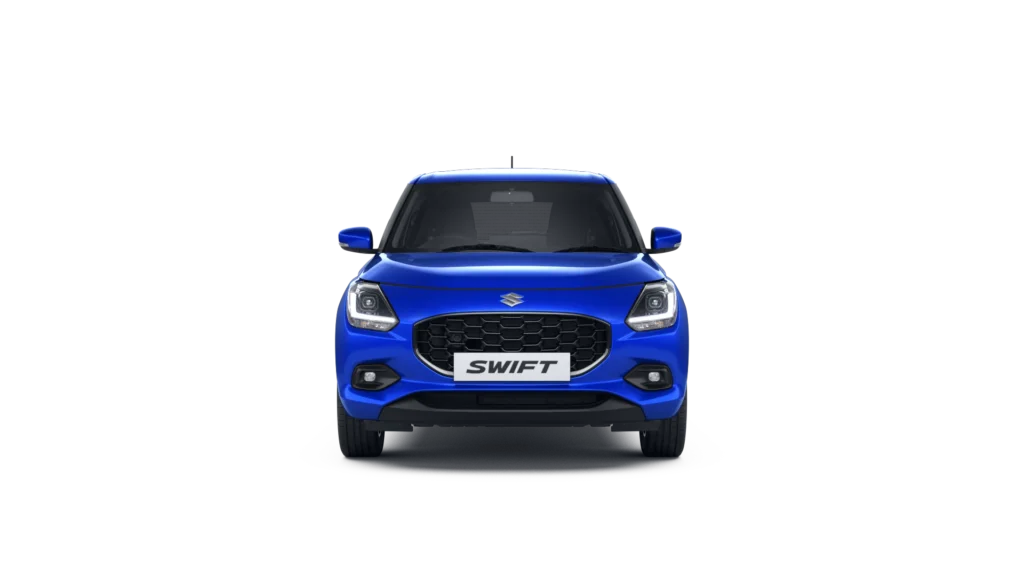
The Swift is fun, reliable, and easy to own. But it demands realistic expectations. If you want rear-seat comfort, premium interiors, and highway confidence, this may not be your ideal match.
That’s why buyers repeatedly ask, what are the disadvantages of Swift? even after test drives—because those disadvantages show up later, not immediately.
Final thoughts: making an informed decision
After years of observing ownership stories, service data, and buyer regret patterns, here’s my honest take. The Swift works best when bought for the right reasons, not emotional ones.
If you’re a city driver who values easy maintenance and brand trust, it still makes sense. But if your needs include family comfort, long highway drives, or a premium feel, pause and reconsider.
Understanding What are the disadvantages of Swift? is not about rejecting the car. It’s about buying it with clarity, confidence, and zero regret. Explore alternatives, compare usage patterns, and choose what fits your life—not just what looks good in the showroom.

Dattu Siddi is a Commerce graduate and automobile content writer with over 2 years of blogging experience. Based in Yellapur, Uttara Kannada (Karnataka), he focuses on delivering accurate, easy-to-understand car information using real-world calculations and practical comparisons. Through cardekho24, Dattu publishes clean, user-first automotive content—especially around EVs, budget cars, ownership costs, and real-life usage—to make car research simple, transparent, and trustworthy.